Gros Morne - Part 2
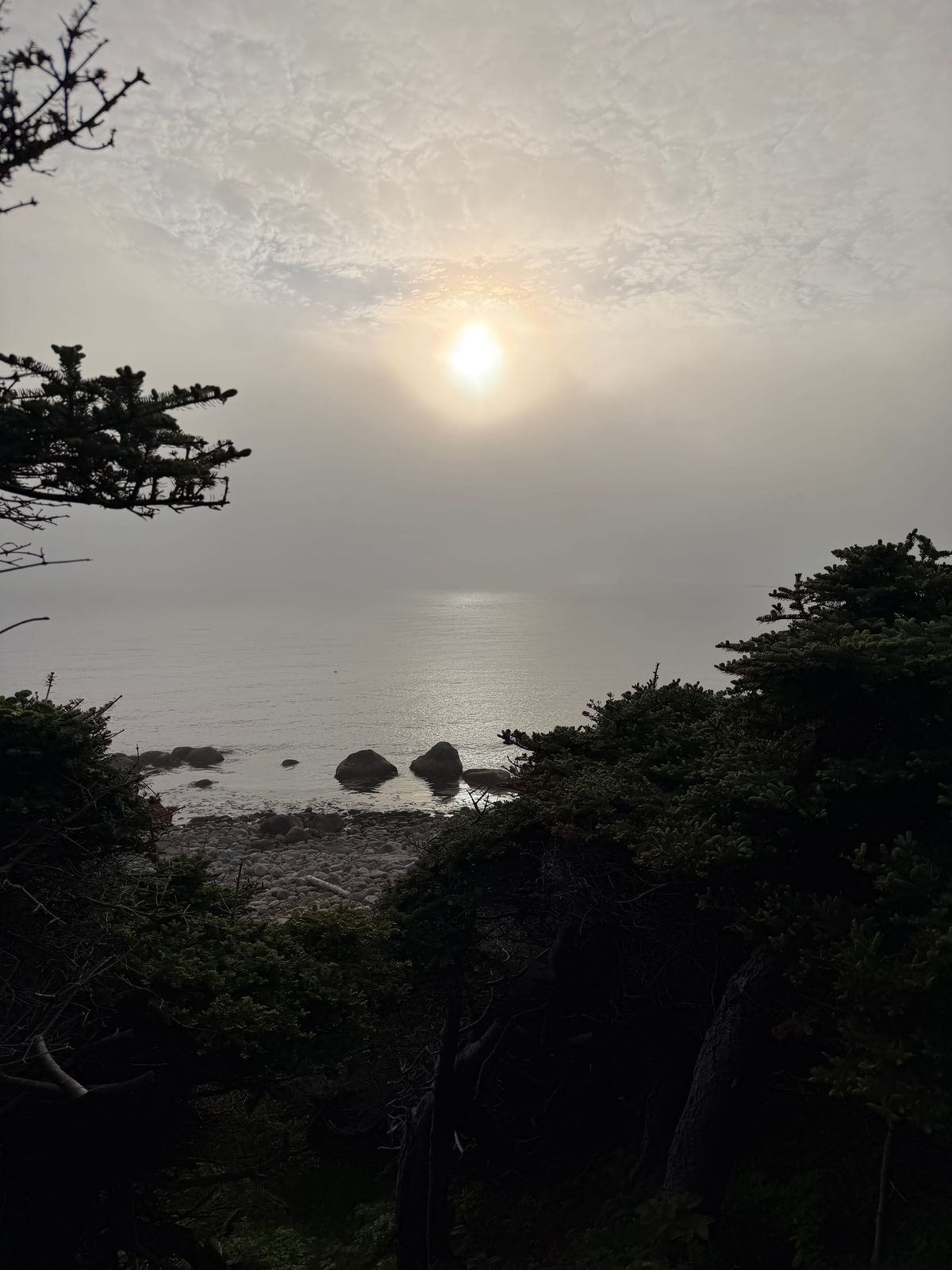
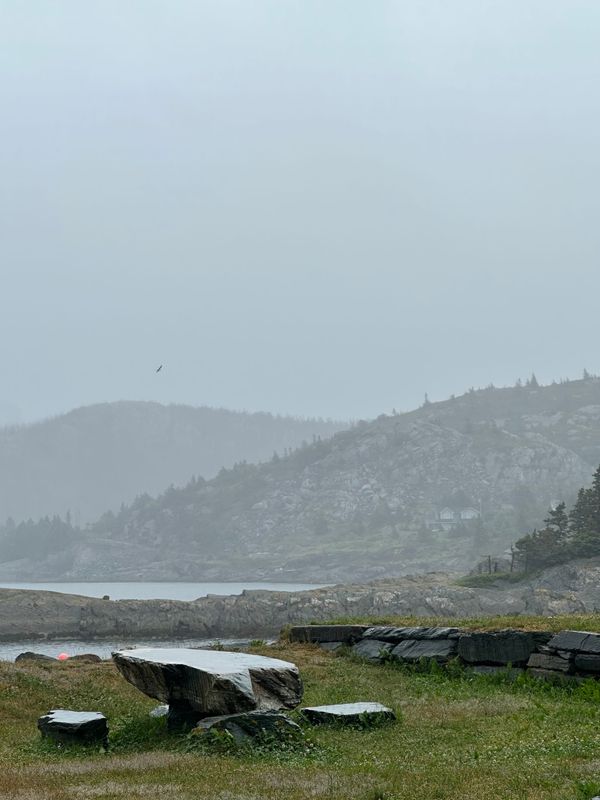
Our last couple of days at Gros Morne have been busy but not hectic. Saturday, we went for a nice coastal walk from our campground at Green Point south along the coast for 3 km then back. It was a foggy day, but you could hear the lobster boats out tending their traps. Lovely walk through some coastal bush, but mostly alongside the ocean.
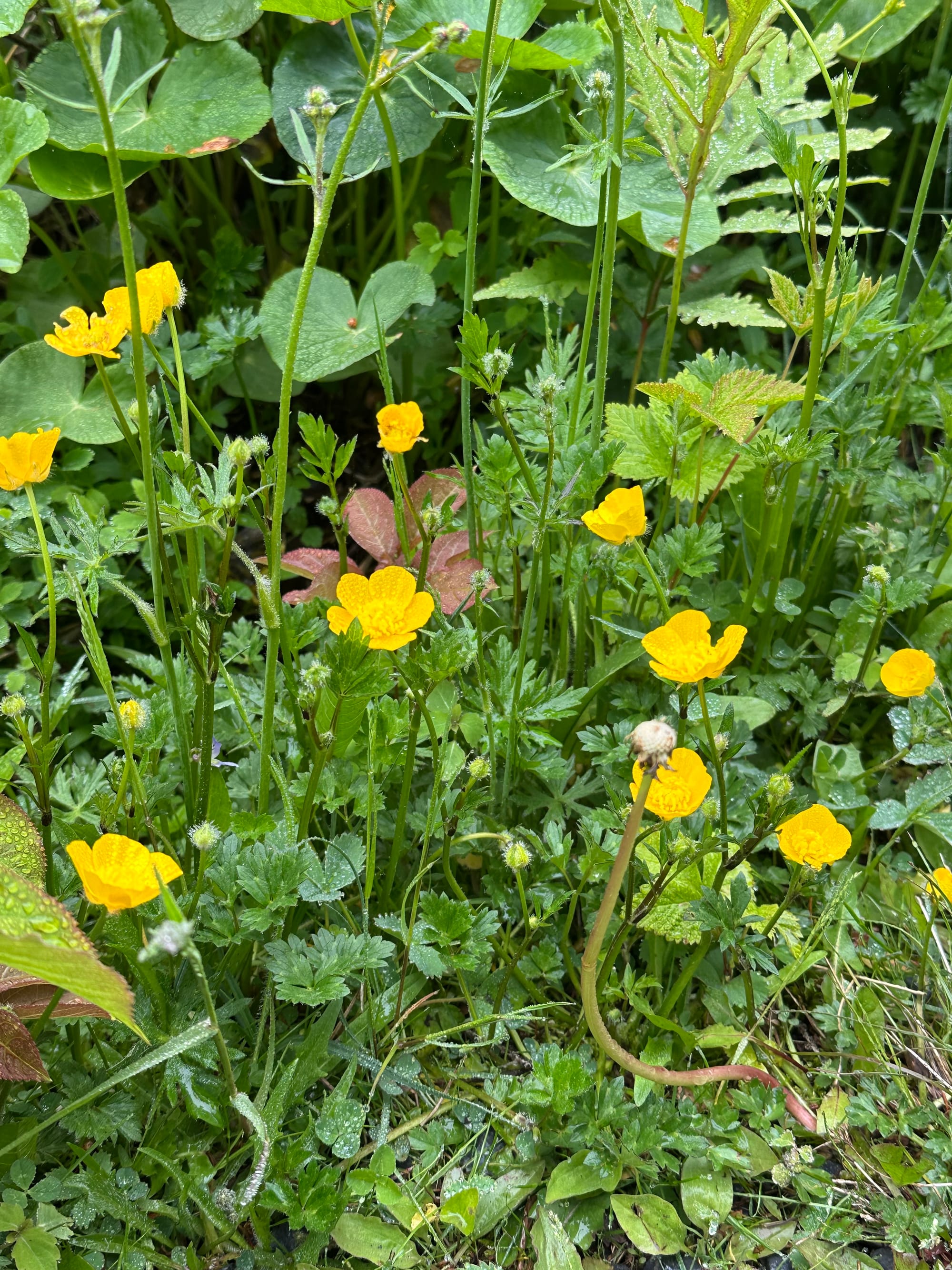
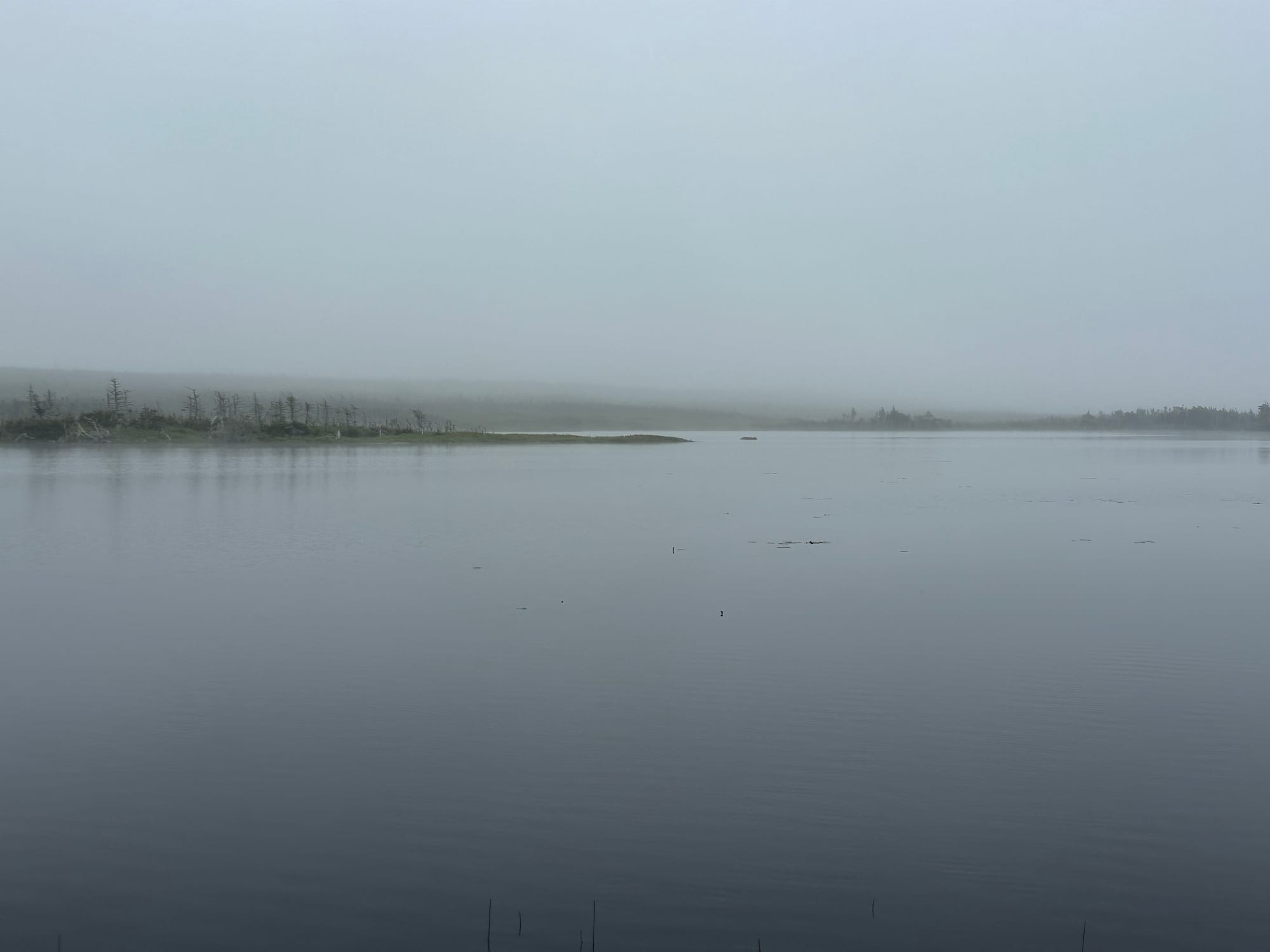
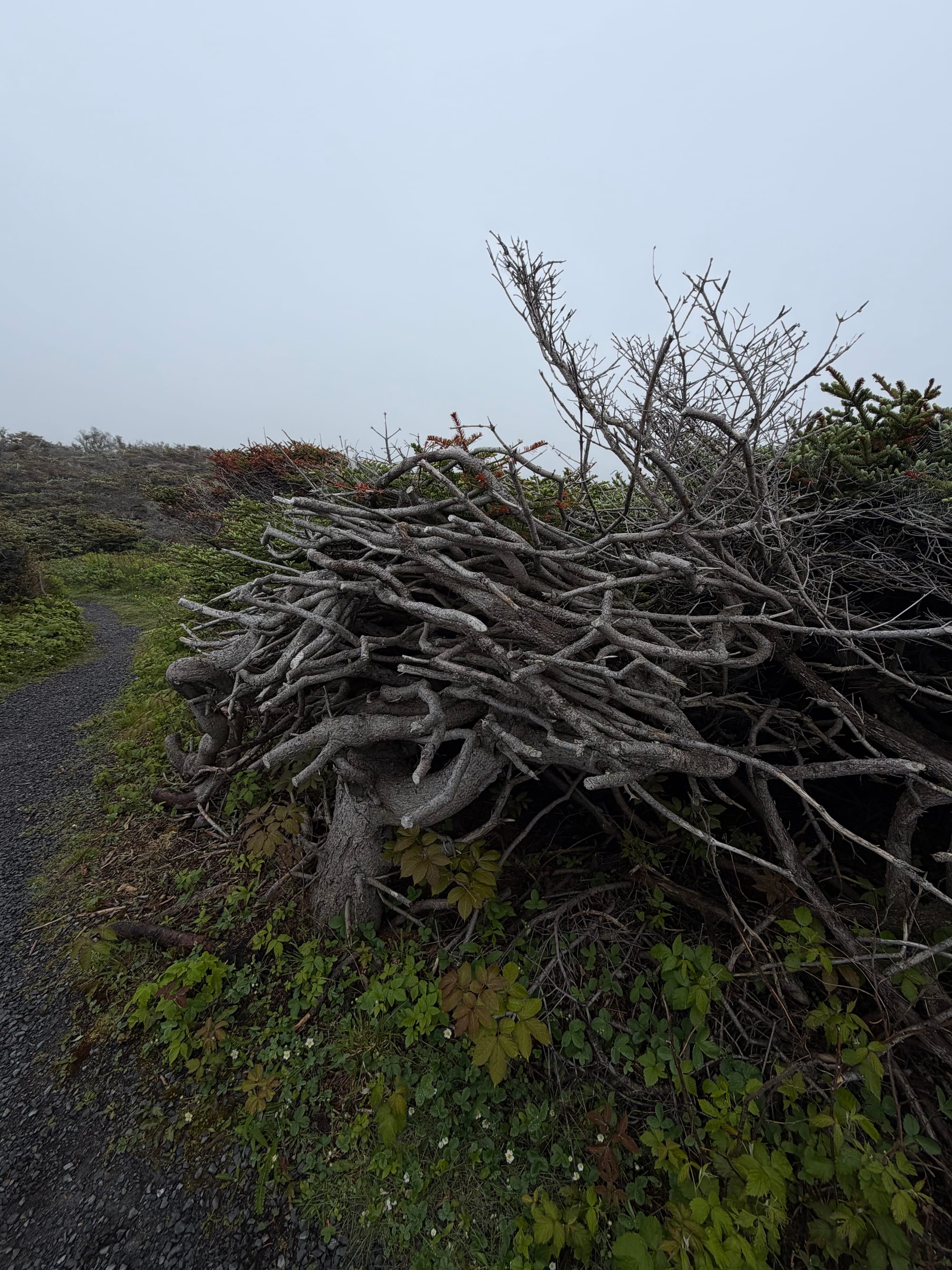
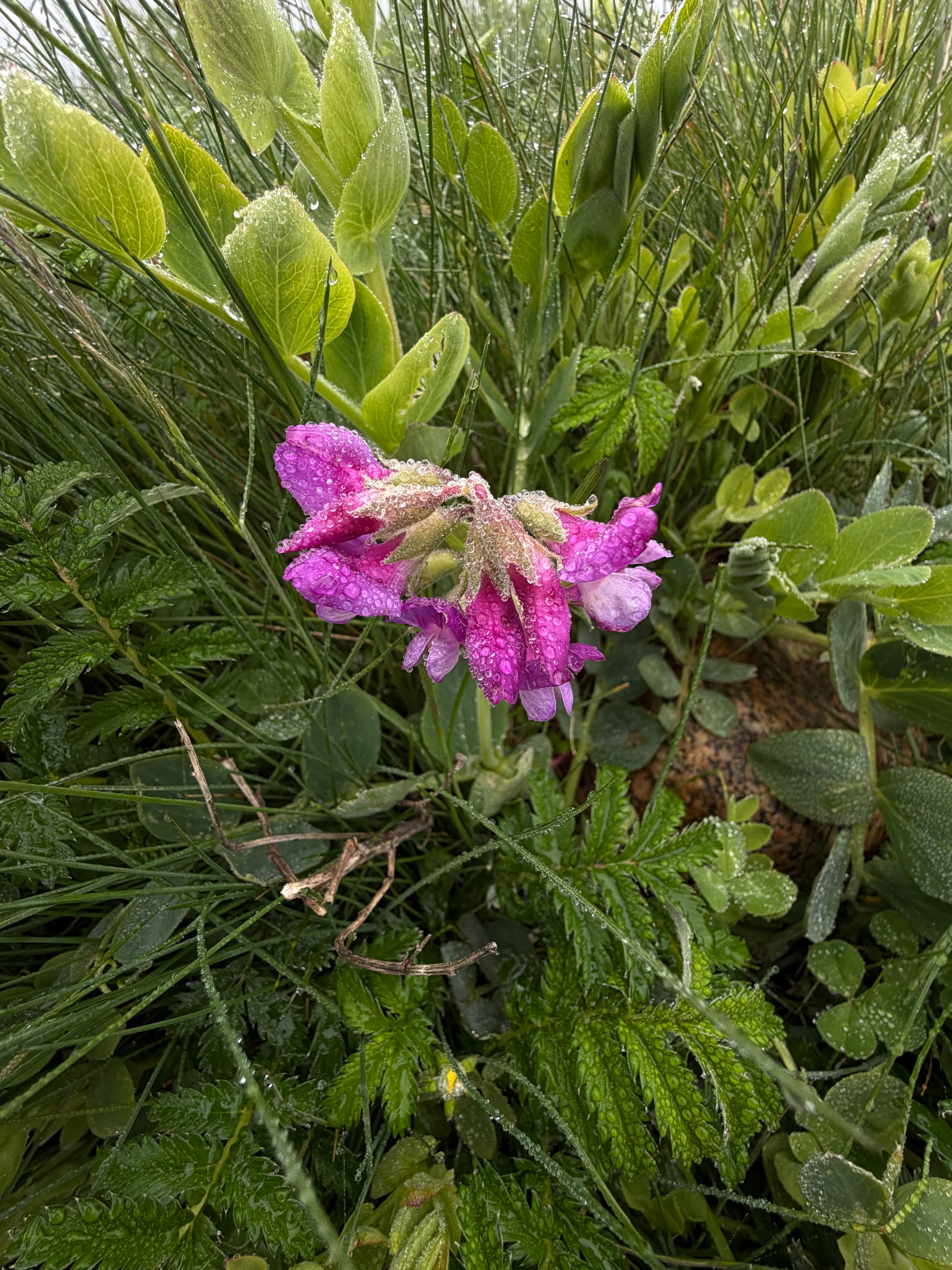
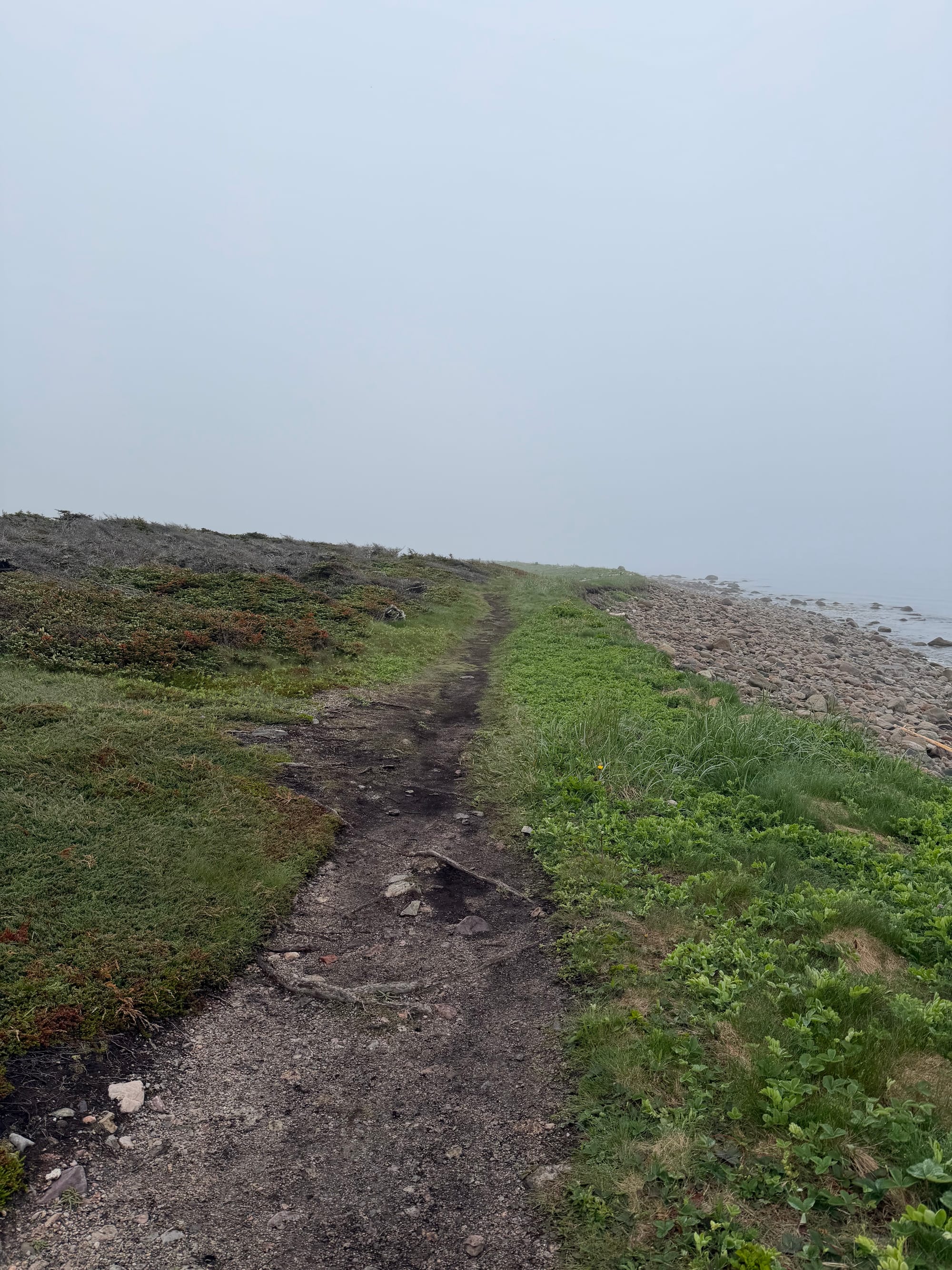
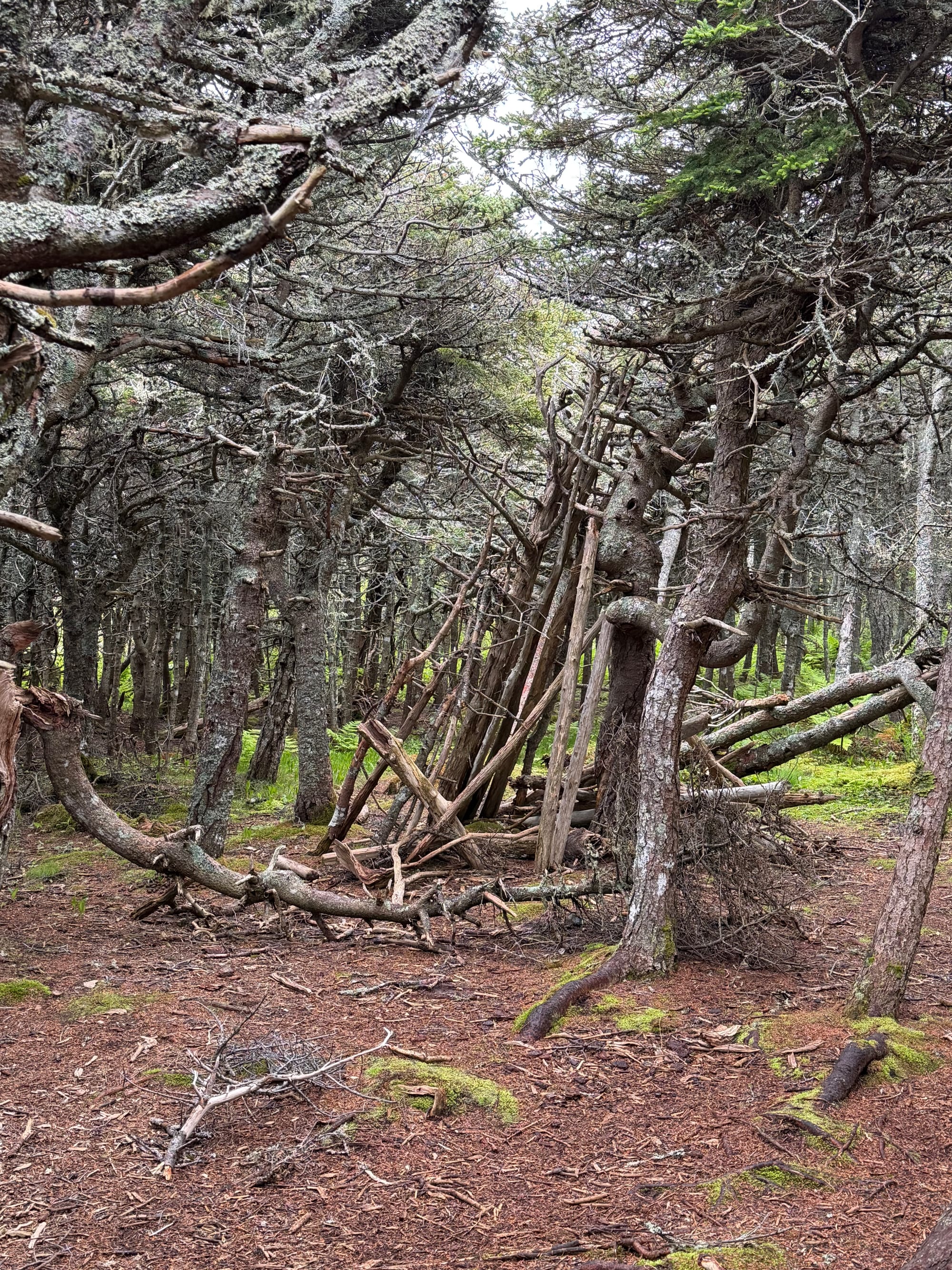
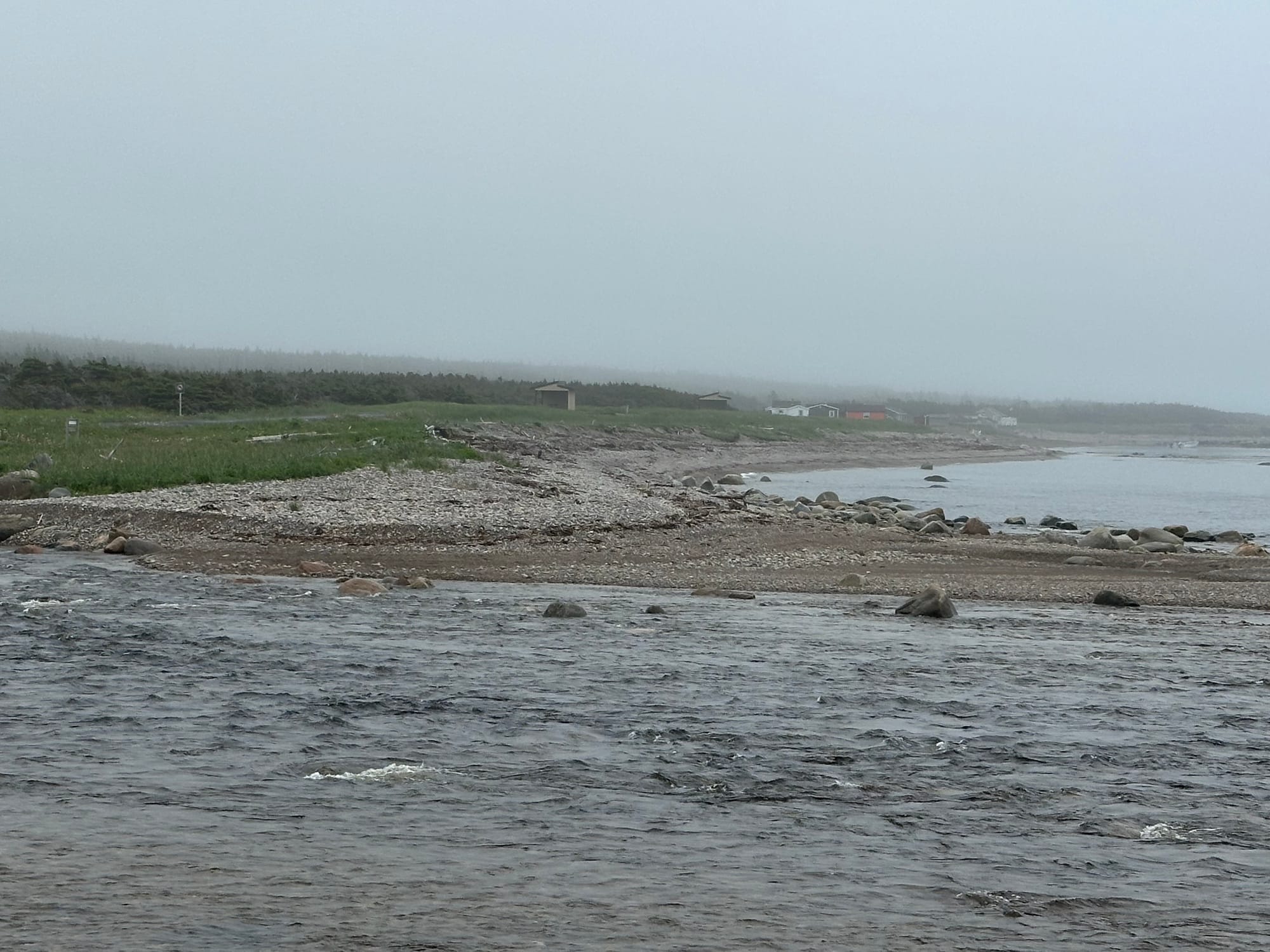
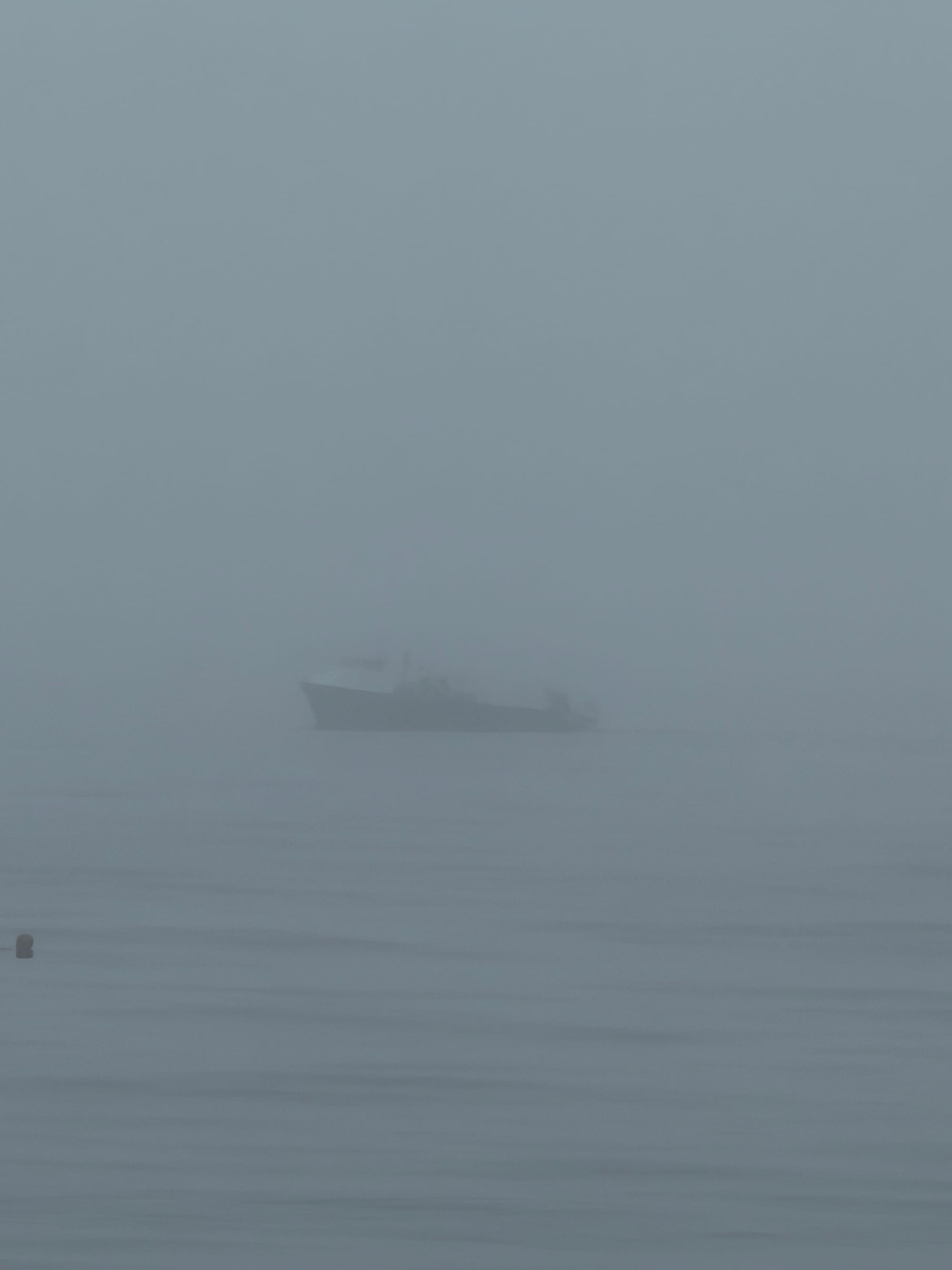
Flowers, Fog, Trees, and a foggy lobster boat along the Coastal Trail in Gros Morne
That afternoon, we headed out to Rocky Harbour, just south of us, for a coffee and made a stop at Lobster Cove to visit the lighthouse. The lighthouse was commissioned in 1898 and the first lighthouse keeper, Robert Lewis, was there for about 4 years before he died from a heart attack. His son briefly took over until William Young was assigned as lighthouse keeper. He raised his family there and added on to the house, closing in the passage from the house to light. Winters in this part of Newfoundland are rough, so not having to go outside to tend the light would have made life a bit easier. William’s son George took over when he retired and in 1970, the light was automated and George was retired. They had to leave the house and he never went back. It still operates as an automatic light today. The house is open to visit and is maintained by Parks Canada as a National Historic Site. There was a flagpole outside the light that had a set of signal flags flying. Unfortunately they were wrapped around the pole and we couldn’t quite figure out what it was spelling. The tour guide in the lighthouse came out and told us after we promised not to laugh at her. It spelled out PuffinPig. In Newfoundland a PuffinPig is slang for a Pilot Whale blowing!
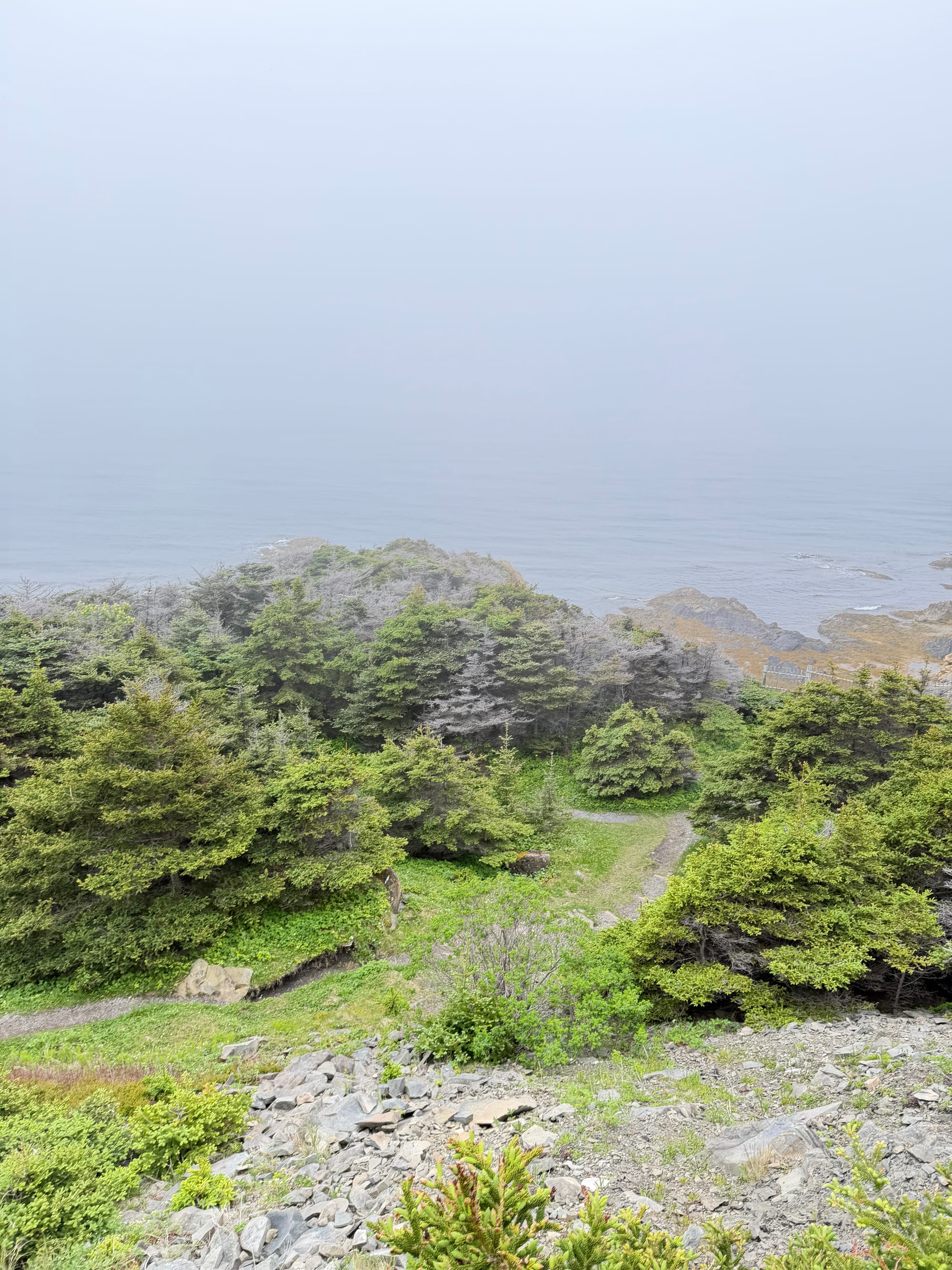
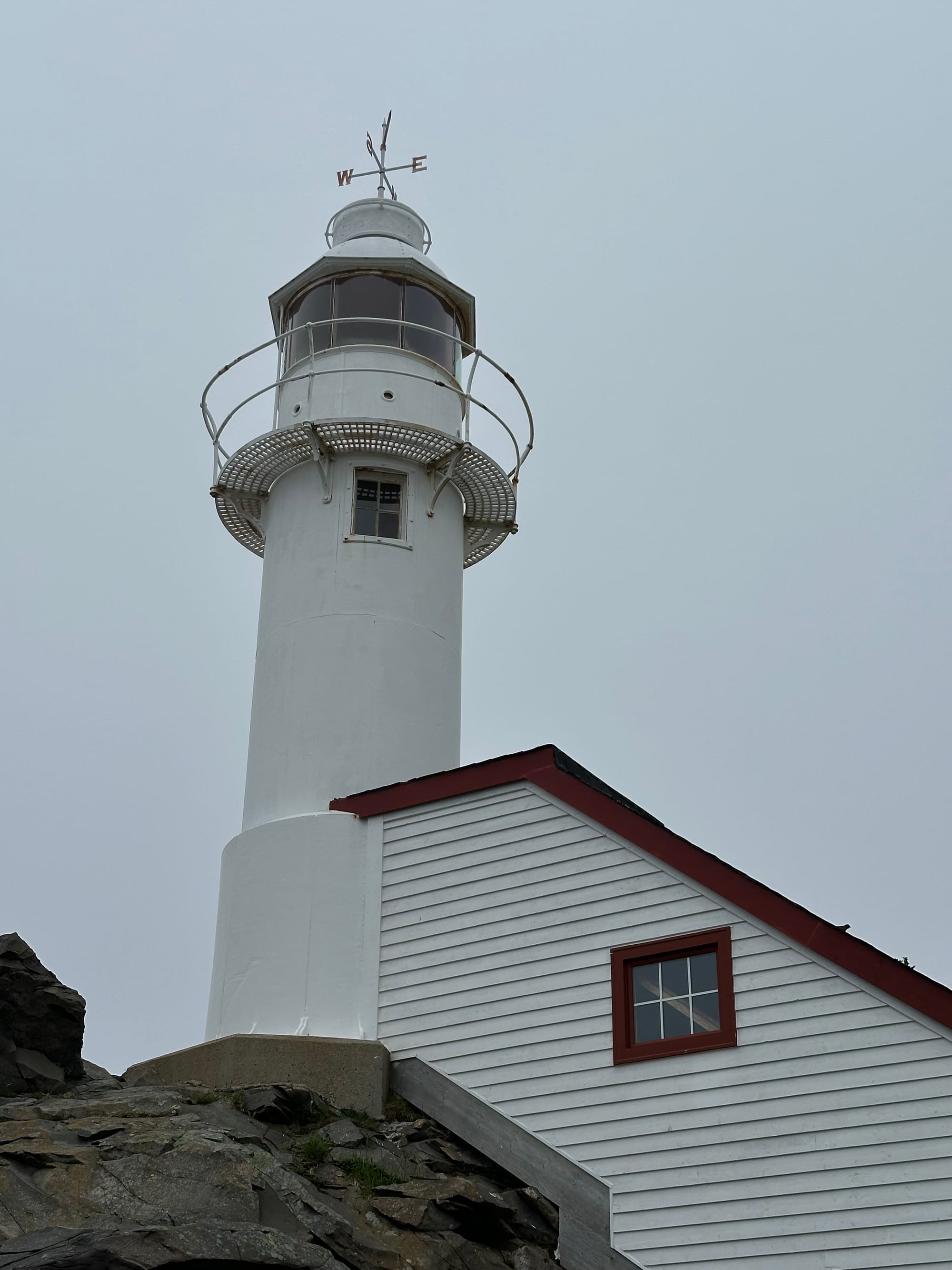
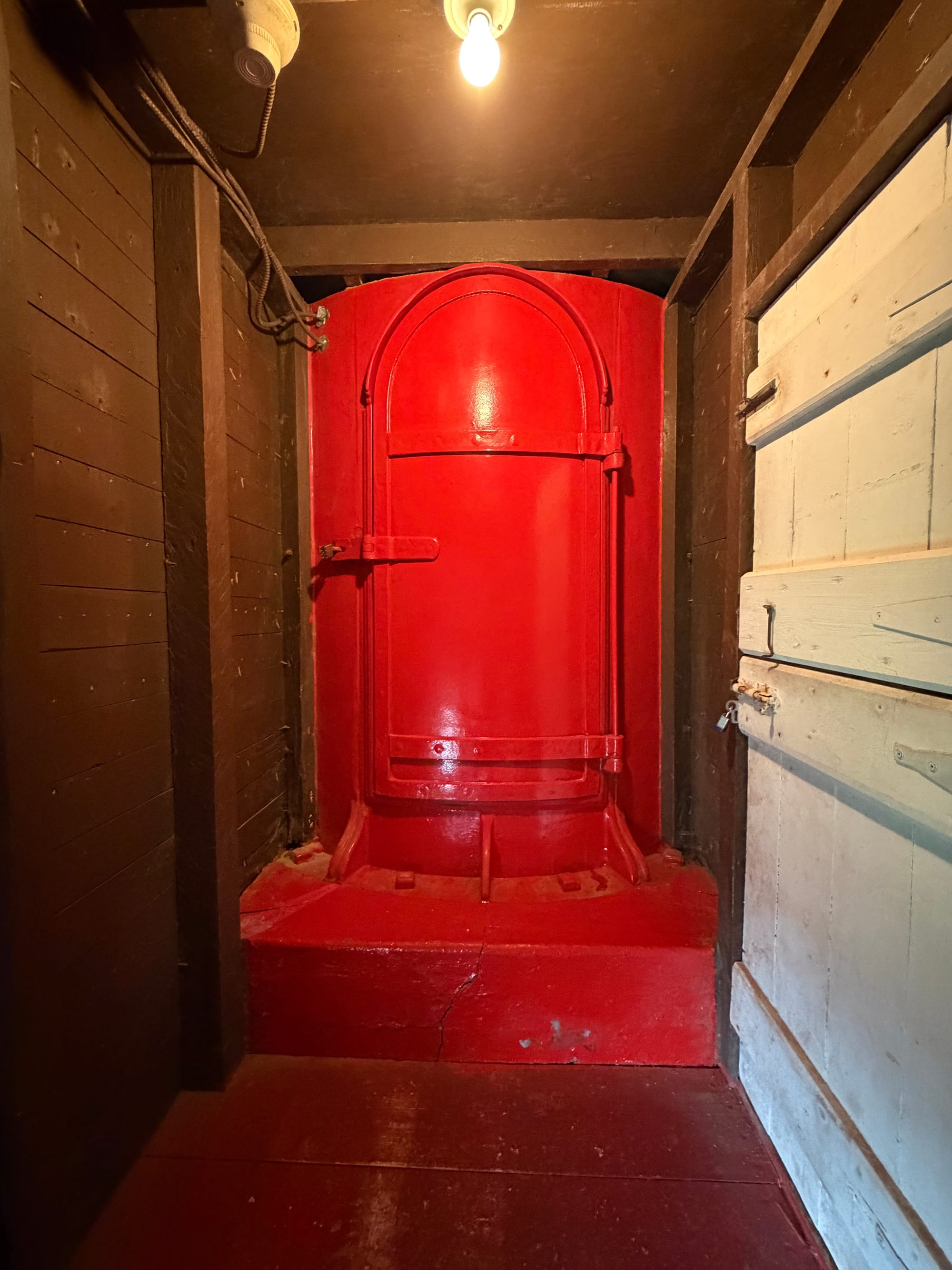
Lobster Cove Light and the Inside Passage
Next stop was Rocky Harbour for a coffee and something extra. That turned out to be a partridgeberry crumble for each of us. Partridgeberry is kind of like a raspberry, but darker and really good! Filled up with gas (petrol) as we were heading out to a show that night about 30 minutes north in Cow Head. Cathy had bought tickets to see a show with Allison Crow and a cast of 3 more Newfoundland and Labrador artists showcasing local music from the 90’s. Great music and a lot of fun. I was a bit concerned about the drive home, looking for Caribou and Moose, but all good, just spectacular scenery! So far no moose or caribou seen, either close up on in the distance.
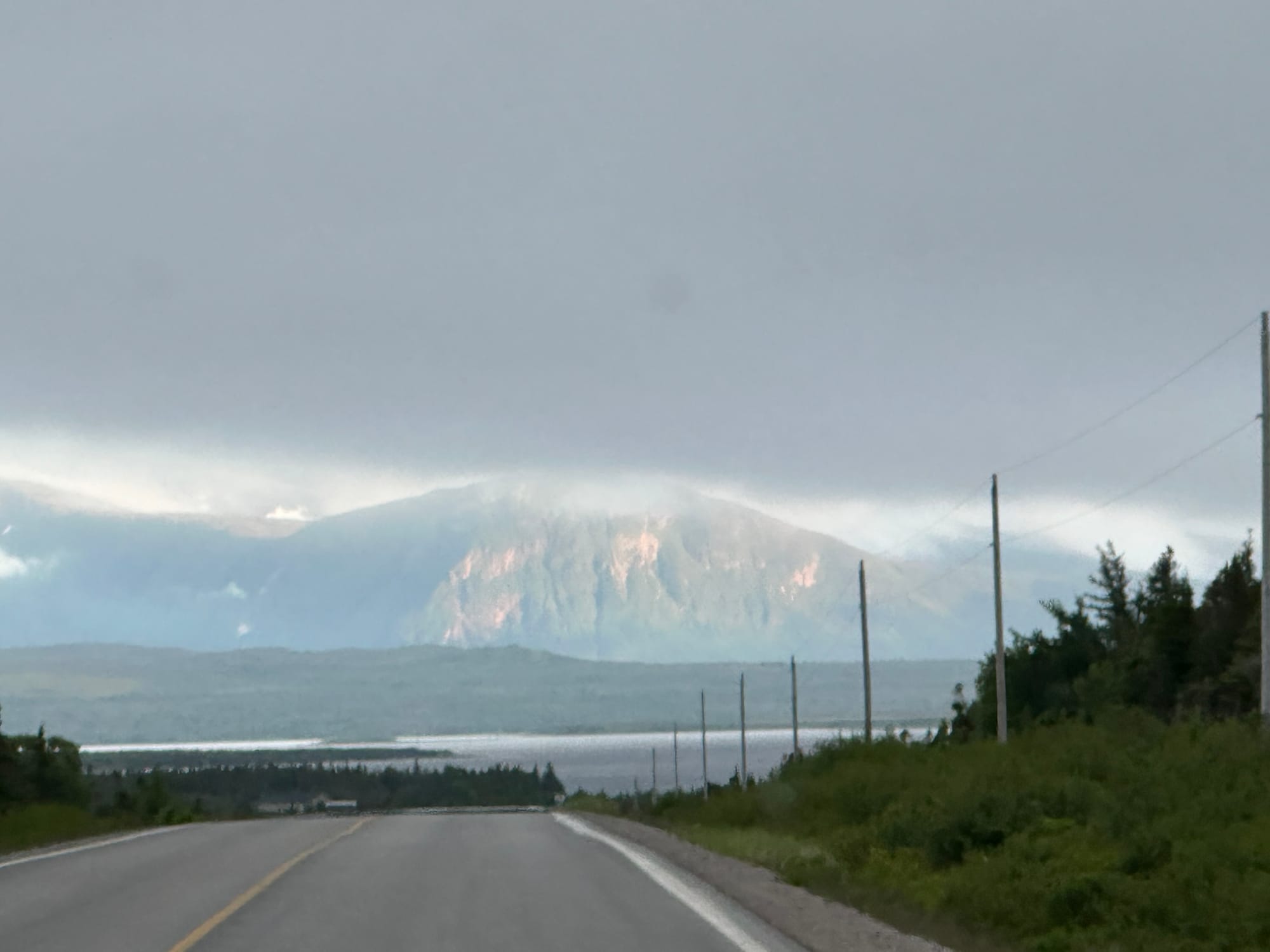
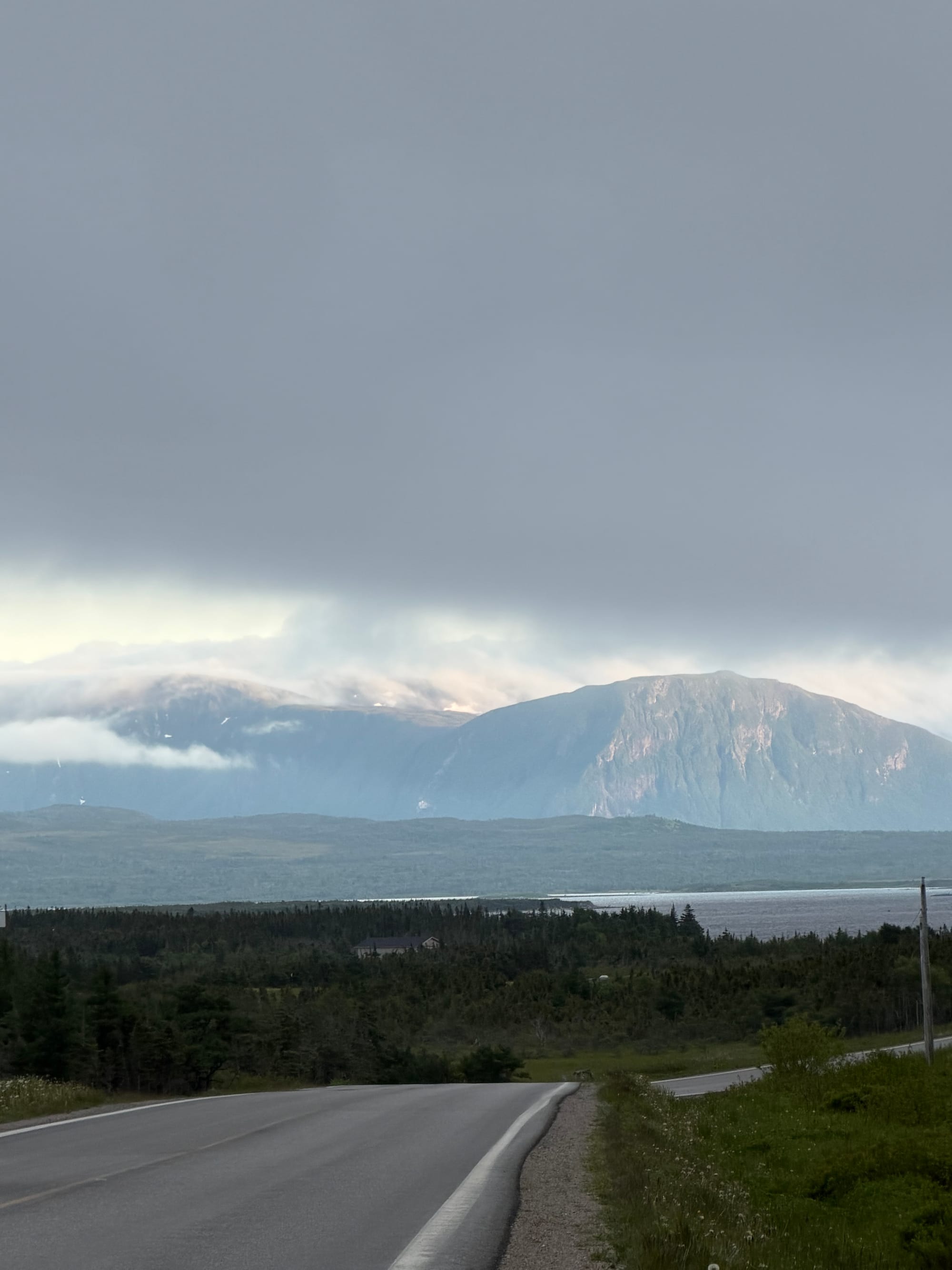
Views from the Highway on the way home from Cow Head
Our last day in Gros Morne was all about a walk on the Tabletop Trail, about an hour south of our campsite. There was a guided walk that started at 10:00 so we joined that to learn about the very unique geology of the area. Tabletop is the only place in North America you can see the earths mantle. It is also where the theory of tectonic plates was finally fleshed out and became accepted as the model of how the earth continents move. There are only 3 areas in the world where this much n of the earth mantle is exposed, Newfoundland, Oman, and Papua New Guinea, and Newfoundland is the easiest place to see it. The theory was that 2 continents, Gondwana and Laurentide, were separated by a body of water called the Iapetus Ocean. As these 2 continents collided 485 million years ago, the Iapetus Ocean was pushed higher and higher until it disappeared. The earths crust on the ocean floor is quite thin, 2-3 km thick and when the Iapetus Ocean was pushed up by the collision the earths mantle was pushed up with it. Erosion of the the crust exposed the earths mantle. Essentially nothing grows on the exposed mantle as it doe not support human life due to the presence of various heavy metals. A few plants called Hyper-Collectors have evolved that survive on the a diet of these heavy metals, essentially detoxifying where they grow. Tabletop is barren, rusty brown rock that has been scoured by glaciers since it was exposed. The last glacier retreated around 10,000 years ago, when indigenous peoples lived in the area. Very cool learning experience and a great trail guide to explain it in a way that made sense. We got to fill in the blanks a bit at the Gros Morne Discovery Centre after the walk, where they have a very comprehensive geology exhibit. The last stop of the day was actually right next to our campground. There are shale cliffs at Green Point that have a fossil record that proves the existence of the Iapetus Ocean. The whole are is protected and Gros Morne National Park has been a Unesco World Heritage site since 1987.
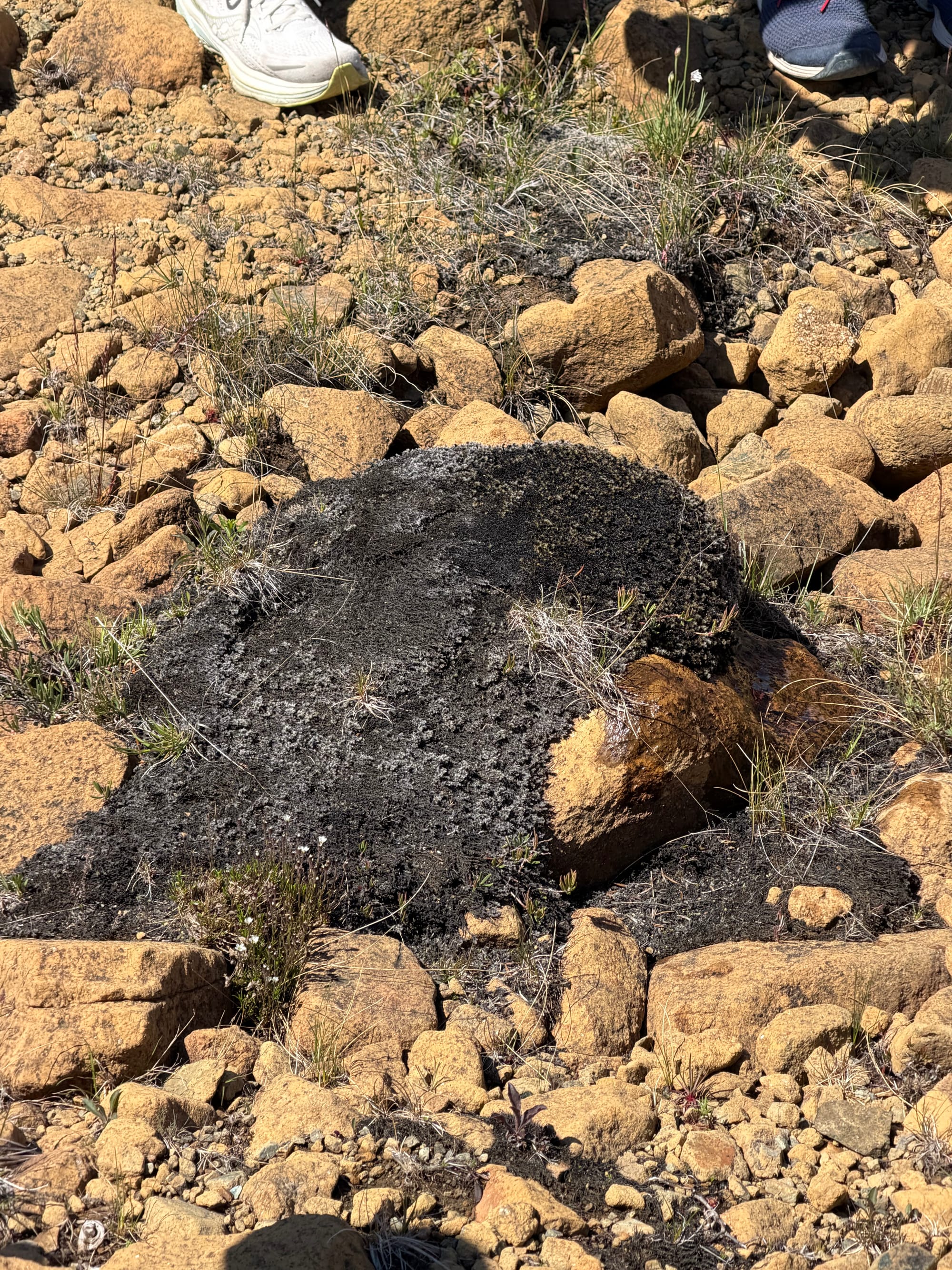
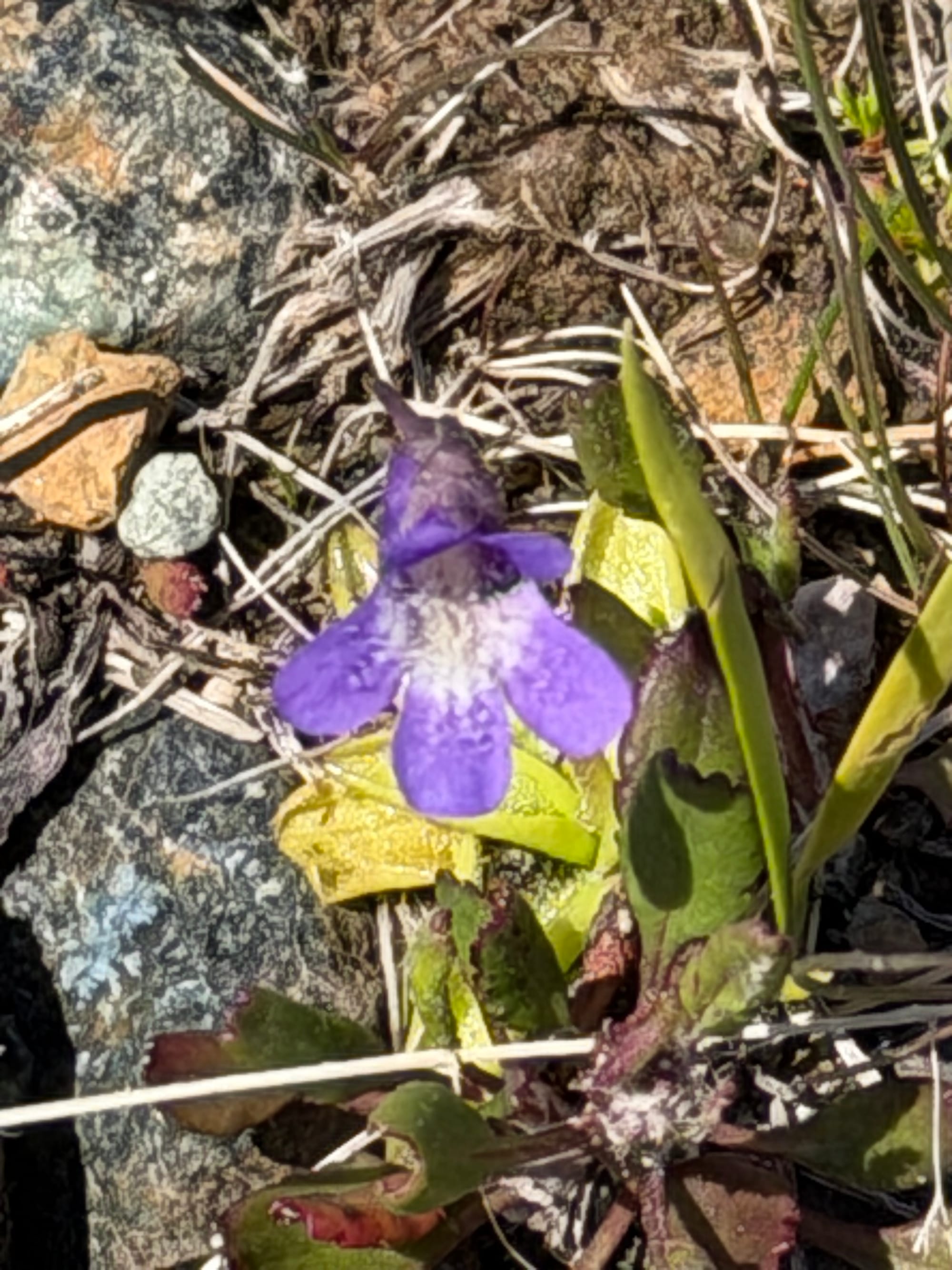
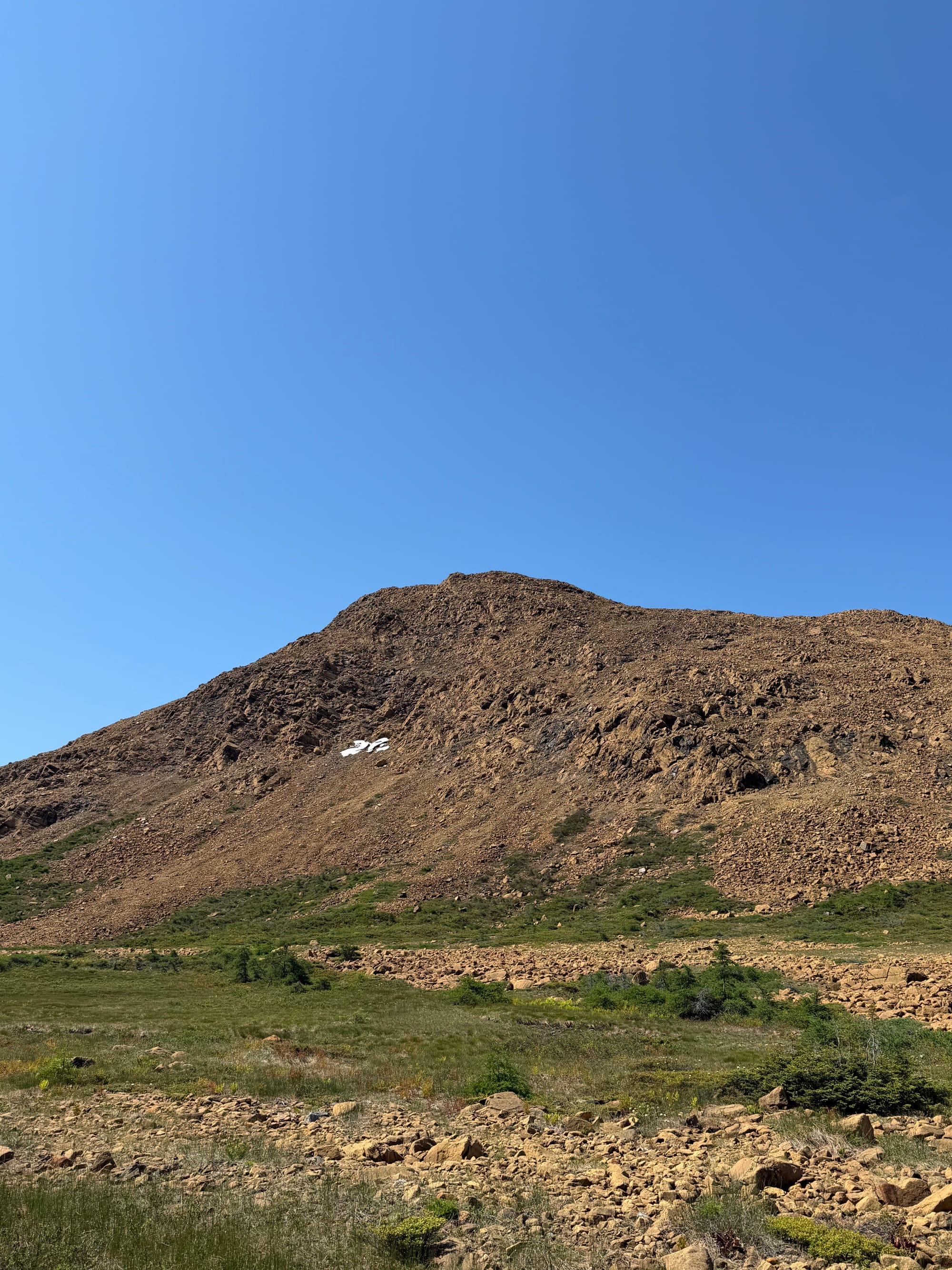
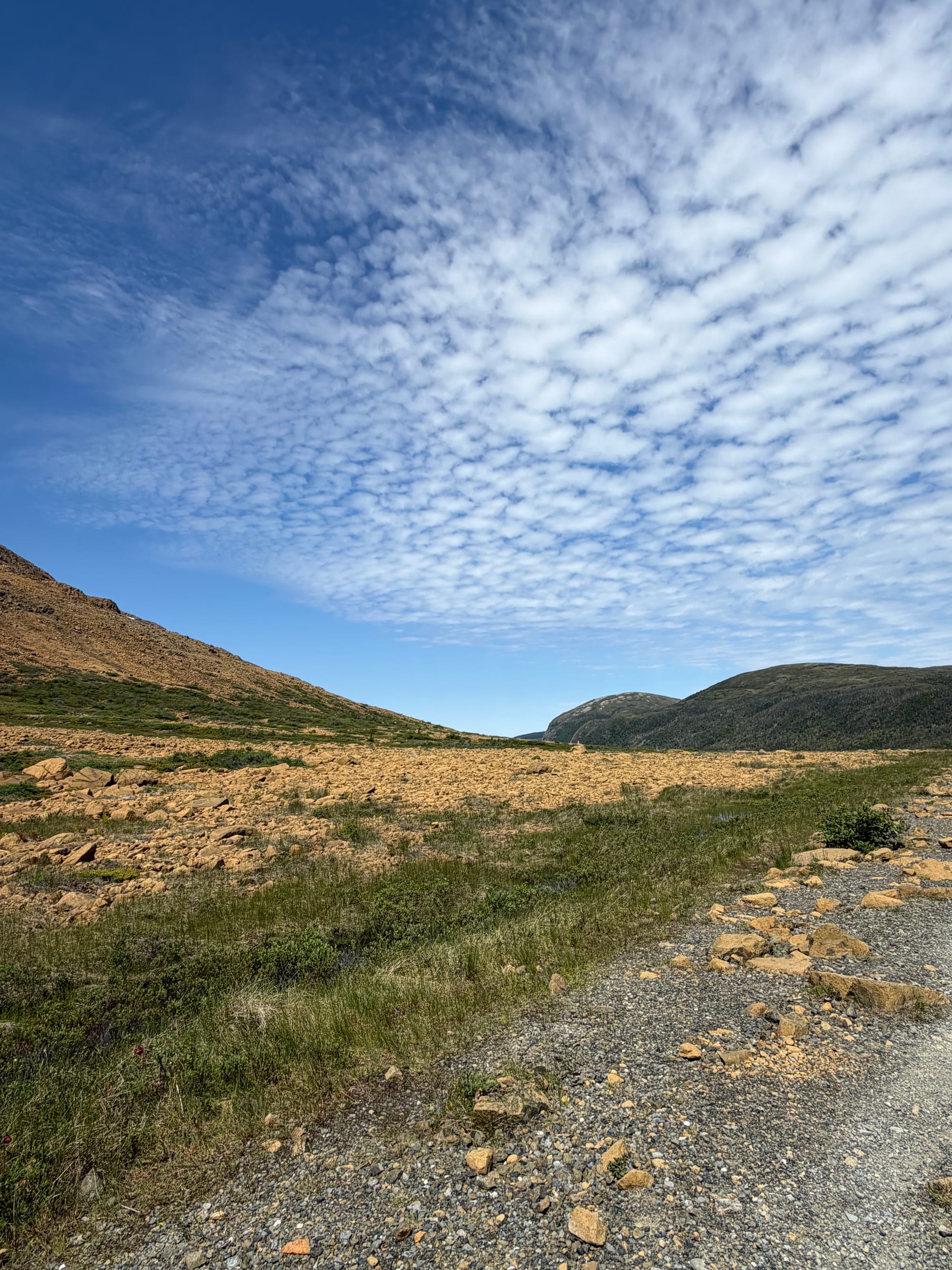
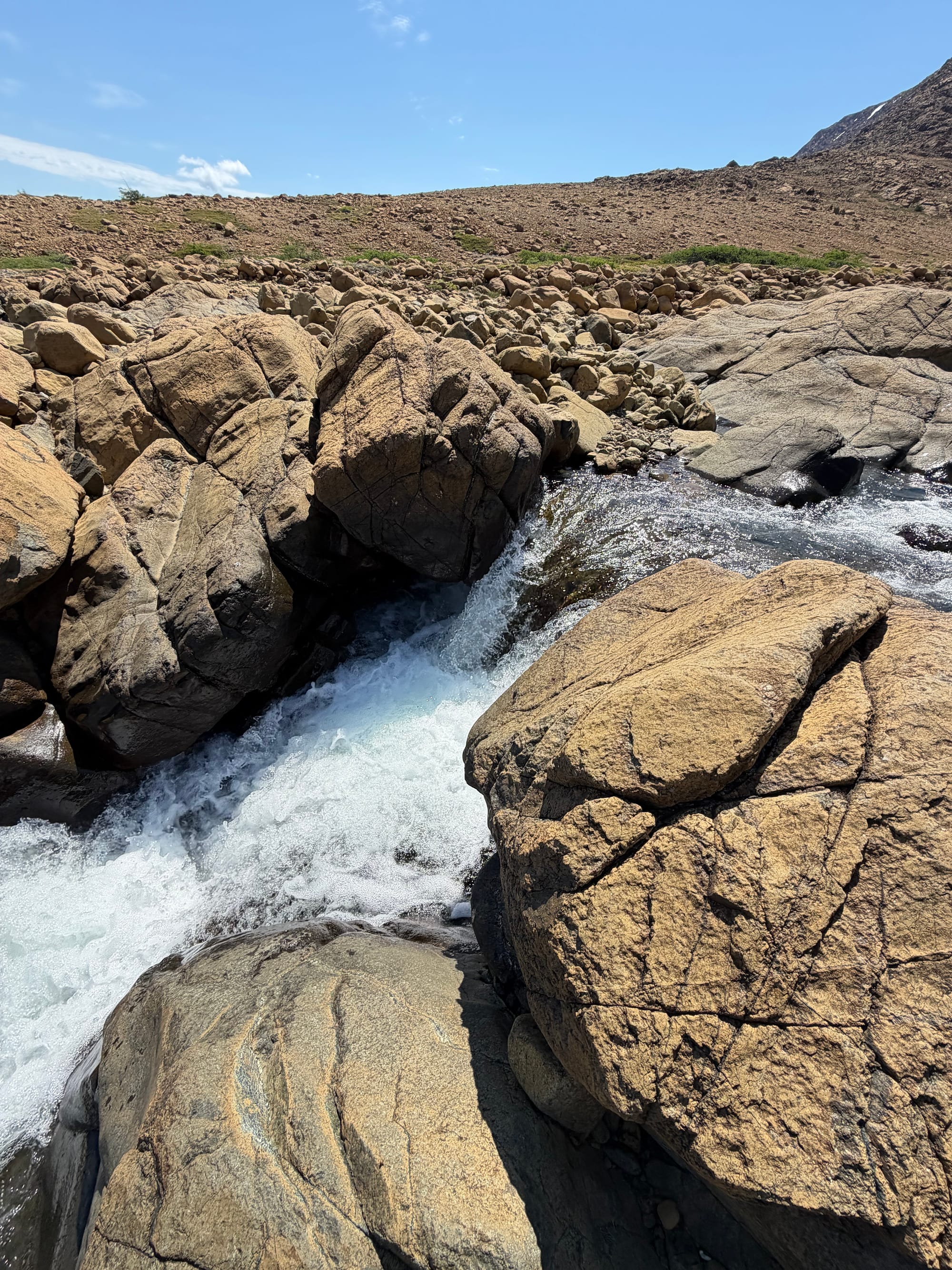
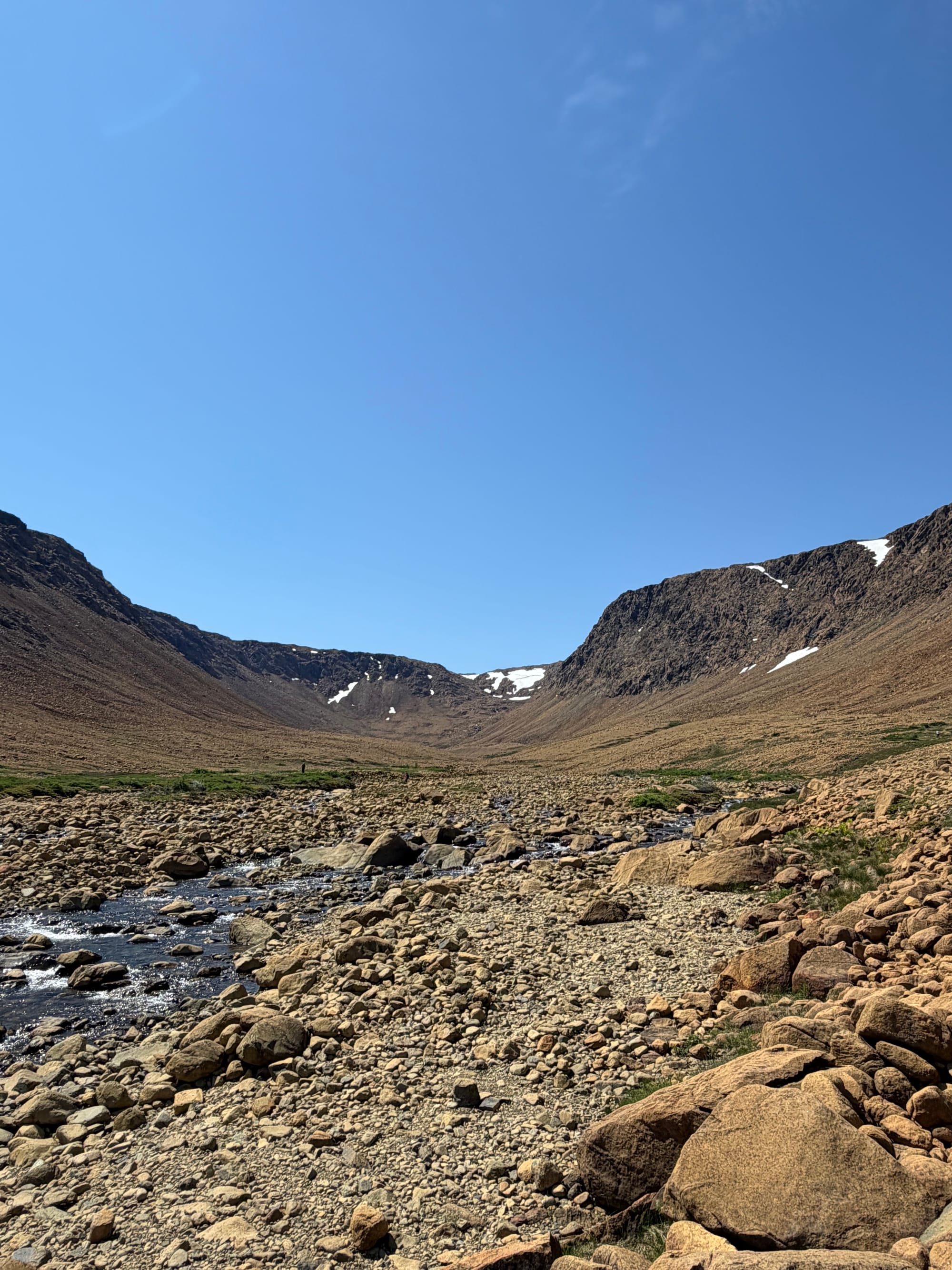
The Earths Mantle at Tabletop in Gros Morne with Grey Sheep Moss, and Flowering Butterwart - Hyper-Accumulators